
FAITH & SPIRITUAL LIFE
Love Your Neighbor
What loving your neighbor can teach us about caring for the people and the creation around us.
By Dr. Daisiá Glenn
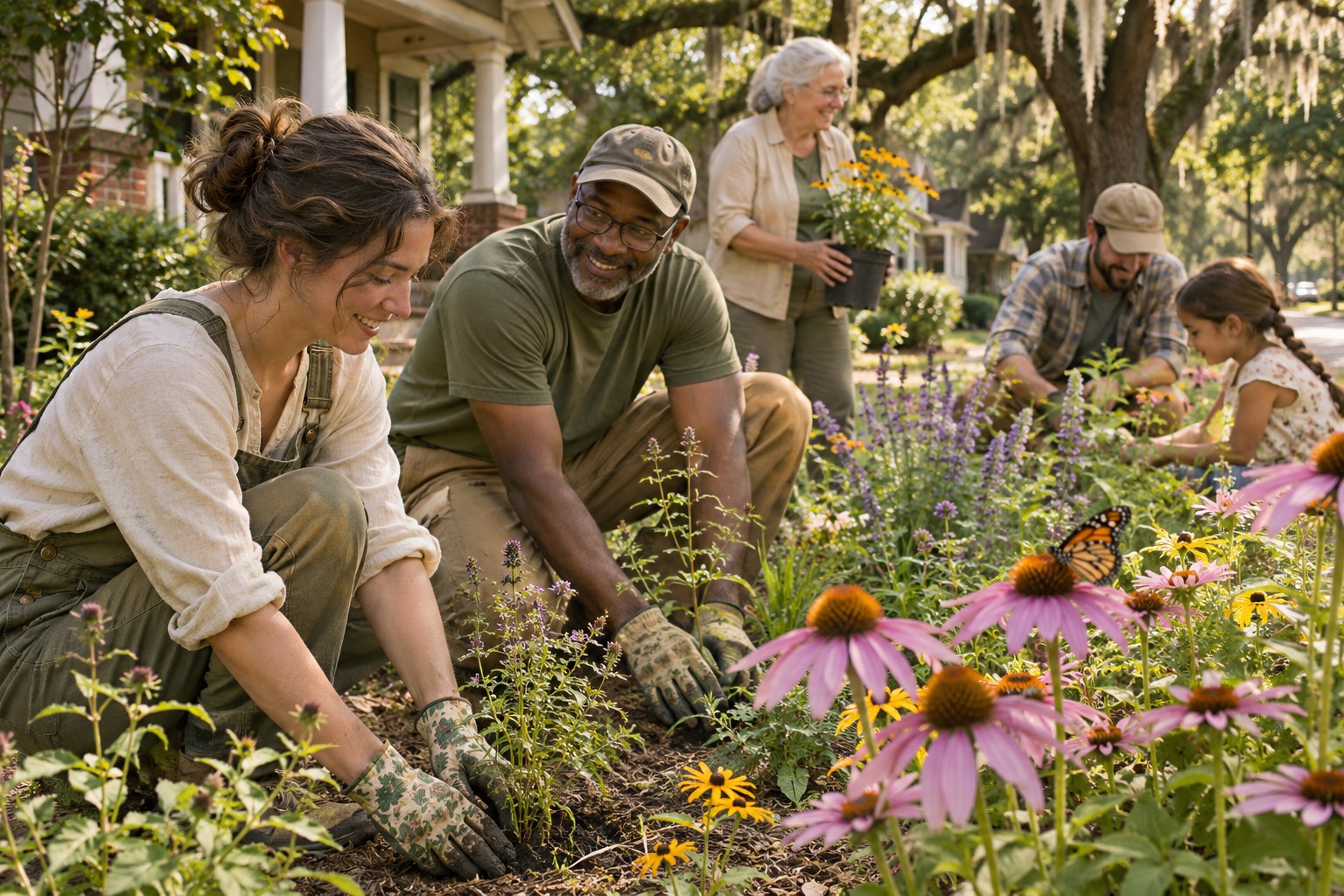
“Love your neighbor” is one of those phrases we hear so often we can miss the last two words. Jesus said, “Love your neighbor as yourself” (Matthew 22:39). As yourself. That part makes me pause. Am I willing to offer someone else the same patience and care I hope to receive? And am I offering myself that same kindness?
Who shares your neighborhood?
Start with the person next door. Then look a little closer at the place you both call home. There are birds in the trees, insects under the leaves, and plants growing in places you pass every day. When I think about what it means to care for my neighbors, I also think about how my choices affect the living things we share this place with.
I believe God made creation with care. The creatures we love, the ones we’d rather keep at a distance, and the ones we’ve never heard of all have a place here. We can respect a wild animal without touching it. We can leave room for insects even if we’d rather they stay out of the kitchen. To me, being entrusted with the earth means taking responsibility for how we treat it.
Start close to home
When a habitat disappears, the plants and animals that depend on it lose places to find food, shelter, and raise their young. It can feel overwhelming to think about the whole planet at once. So start with the patch of earth you already know.
- Learn a name. Pick one bird, tree, or insect you see often and find out what it is. Pay attention to where it shows up and what it needs.
- Make room for pollinators. Try a plant native to your region in a pot or garden bed, and watch what comes to visit.
- Waste a little less. Use what you already have, refill what you can, and skip a disposable item you don’t need.
- Show kids where food comes from. Grow something together, visit a garden, or let them ask a grower how their favorite fruit makes it to the table.
We can’t keep living like we’re the only ones who call this place home. This week, take a walk and notice one living thing you usually pass by. Then ask yourself: What would it look like to be a good neighbor right here?